
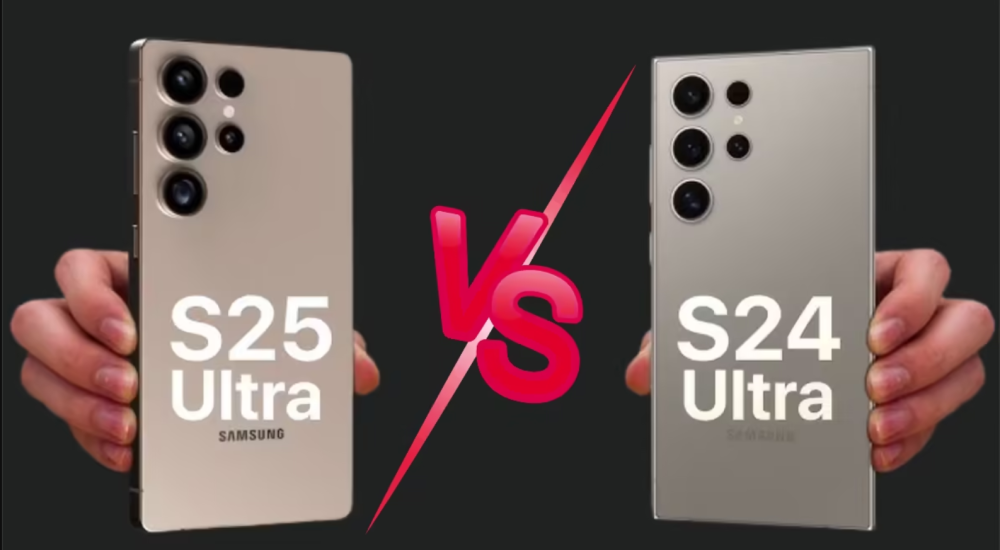
With each new generation of the Galaxy S series, Samsung seeks to redefine the smartphone experience through tangible technological improvements across performance, design, and visual and imaging experiences. With the announcement of the Samsung Galaxy S25 Ultra , anticipation has risen among tech enthusiasts to see what it offers compared to the previous generation, the Samsung Galaxy S24 Ultra .
This comparison isn't just a review of numbers and specifications, but rather an attempt to clarify whether upgrading to the newer generation is truly worth it, especially given the clear similarities in design and some features, versus the fundamental differences in performance, cameras, and support for new AI technologies.
Comparison between Samsung S25 Ultra and S24 Ultra
1. Design and manufacturing quality
In terms of external appearance, Samsung hasn't strayed far from its flagship phone philosophy.
- The Galaxy S24 Ultra measures 147.5 x 70.6 x 7.6 mm and weighs 168 grams. It has a Gorilla Victus 2 glass body supported by an aluminum frame.
- The Galaxy S25 Ultra is thinner and lighter, measuring 146.9 x 70.5 x 7.2 mm and weighing 162 grams, with the same scratch- and shock-resistant materials and IP68 water and dust resistance.
The difference here is subtle but noticeable, as Samsung has tried to make the phone more comfortable in the hand and a little lighter, while maintaining the same durability. The design doesn't represent a revolution compared to the previous generation, but it is more streamlined and closer to the "refinement rather than radical change" philosophy.
2. Screen and content display
Both phones feature a 6.2-inch Dynamic LTPO AMOLED 2X display with FHD+ resolution, support for a variable refresh rate of up to 120Hz, a maximum brightness of 2,600 nits, and HDR10+ support.
- The Samsung S24 Ultra offers a pixel density of 418 pixels per inch.
- The Samsung S25 Ultra has a pixel density of 416 pixels per inch, a difference that doesn't really affect the viewing experience.
In terms of security, both phones rely on Gorilla Victus 2. Therefore, the difference in screen size is almost non-existent, which means that the movie viewing, gaming, and browsing experience will remain very similar between the two devices.
3. Performance and Processor
Here comes the most significant difference that may determine the upgrade decision.
- The Galaxy S24 Ultra is powered by the Exynos 2400 processor, built on a 4nm process technology, and the Xclipse 940 GPU, a powerful processor that relies primarily on the traditional ARM architecture.
- In contrast, the Galaxy S25 Ultra comes with Samsung's own Snapdragon 8 Elite processor, built on a 3nm manufacturing process, along with the Adreno 830 GPU.
This change gives the Samsung S25 Ultra a significant performance boost when it comes to data processing and heavy gaming, while also improving power consumption and heat consumption. Additionally, the new processor supports built-in AI features, opening the door to practical applications in photography and enhancing the daily experience in ways not available in the Samsung S24 Ultra.
In terms of memory:
- The Samsung S24 Ultra starts with 8GB RAM with options up to 512GB internal storage.
- The Samsung S25 Ultra offers 12GB of RAM as standard with 128GB or 256GB storage options, but no 512GB version.
The bottom line here is that the processor in the Samsung S25 Ultra represents a real leap forward, especially for gamers and heavy users, while the Samsung S24 Ultra still offers excellent performance but is less efficient than the newer generation.
4. Cameras and photography
Both phones share a 12MP front camera, but the biggest difference is in image processing and video support.
- The Samsung S24 Ultra features three rear cameras: a 50MP main camera, a 10MP 3X optical zoom camera, and a 12MP ultrawide camera. The cameras support Super Steady Video, which provides greater stability when recording video.
- The Samsung S25 Ultra comes with roughly the same configuration: 50 + 10 + 12 megapixels, but it relies on AI improvements to image and video processing, as well as greater improvements in optical image stabilization and detail capture in low-light conditions.
In other words, the difference isn't in the lenses as much as it is in the software processing capabilities supported by the new processor, which makes the photography experience on the Samsung S25 Ultra more advanced despite the similar specifications on paper.
5. Battery and lifespan
Both phones come with a 4,000mAh battery, with support for 25W fast charging, 15W wireless charging, and 4.5W reverse wireless charging. On paper, there's no difference in the numbers.
However, the Snapdragon 8 Elite processor in the Samsung S25 Ultra, built on a 3nm process, consumes less power than the Exynos 2400 processor in the Samsung S24 Ultra. This gives the newer phone relatively longer battery life, especially with intensive use such as gaming or watching high-resolution video.
In other words, the difference isn't in battery size or charging technology, but in power efficiency, which makes the Samsung S25 Ultra a better choice for everyday continuity.
6. Software and Artificial Intelligence
Software is a pivotal strength of the new generation:
- The Samsung S24 Ultra runs Android 14 with One UI 6.1, which offers improvements to customization, stability, and multitasking management.
- While the Samsung S25 Ultra comes out of the box with Android 15 and One UI 7, which integrates AI technologies more deeply.
The AI in the Samsung S25 Ultra isn't just about enhancing photos. It also includes instant call translation, text summarization, and better recognition of user behavior patterns to deliver a more personalized experience.
This aspect reflects Samsung's drive to compete with companies like Google in the "assistive smartphone" space, which clearly makes the Samsung S25 Ultra superior to the Samsung S24 Ultra in the software aspect.
7. Additional benefits and means of communication
In terms of communication:
- The Samsung S24 Ultra supports Bluetooth 5.3, while the Samsung S25 Ultra moves to the newer 5.4 generation, providing more stable connections to earphones and wireless devices.
- Both phones support Wi-Fi 6e at multiple frequencies, but the Samsung S25 Ultra comes out ahead with slight improvements in response speed and network stability.
In terms of audio, both phones feature high-quality stereo speakers. Both are also water and dust resistant with an IP68 rating, and support an in-display fingerprint sensor using ultrasound and Face Unlock.
It's worth noting that the Samsung S24 Ultra supports Samsung DeX, which allows the phone to connect to displays and function as a desktop-like device. This feature is also available on the Samsung S25 Ultra, but with slight performance improvements.
8. Price and value versus performance
When comparing the two phones, the most important question arises: Is the Samsung S25 Ultra worth the upgrade?
- If you're a Samsung S24 Ultra user, the main difference you'll notice is the new processor, battery efficiency, and AI features.
- If you're coming from an older generation (like the S22 or S23), the jump will be more noticeable in performance, software, or photography.
In terms of price, a new phone typically launches approximately $150–$200 higher than the previous generation at launch. However, in the long run, the Samsung S25 Ultra may offer greater value thanks to newer software and extended support for system and security updates.
Conclusion
Comparing the Samsung Galaxy S25 Ultra with the Samsung Galaxy S24 Ultra reveals that Samsung has opted for a gradual development strategy: minor improvements to the design and display, in exchange for a significant performance boost thanks to the Snapdragon 8 Elite processor, along with extensive integration of AI technologies into the system.
If you're currently using the Samsung S24 Ultra, upgrading may not be necessary unless you're into heavy gaming or want to take advantage of the new AI features. If you're coming from an older model, the Samsung S25 Ultra is a more advanced option and well worth the investment, especially with its long-term performance stability and extended software updates.
Ultimately, the decision depends on your needs and daily usage. What's certain, however, is that both phones reflect Samsung's ongoing commitment to providing a leading smartphone experience, with the difference that the Samsung S25 Ultra clearly paves the way for the era of AI-powered smartphones.